EVE 314Ah LiFePO4 Battery Cell: Complete Specs, DIY Configurations & Buying Guide
Sep 29,2026 | TezePower
EVE 314Ah LiFePO4 Battery Cell: Complete Specs, DIY Configurations & Buying Guide
The EVE 314Ah LiFePO4 battery cell has become a popular choice for DIY battery builders looking for a high-capacity prismatic cell for solar storage, home backup, RVs, off-grid systems and other energy storage applications.
With a nominal voltage of 3.2V and a capacity of 314Ah, one cell stores approximately 1,004.8Wh of nominal energy.
More importantly, EVE 314Ah cells can be configured into different battery systems. Depending on the application, you can build a 12.8V, 25.6V, 48V or 51.2V battery, and parallel configurations can increase the total capacity to 628Ah or more.
For example:
-
4S1P: 12.8V 314Ah ≈ 4.02kWh
-
8S1P: 25.6V 314Ah ≈ 8.04kWh
-
15S1P: 48V 314Ah ≈ 15.07kWh
-
16S1P: 51.2V 314Ah ≈ 16.08kWh
-
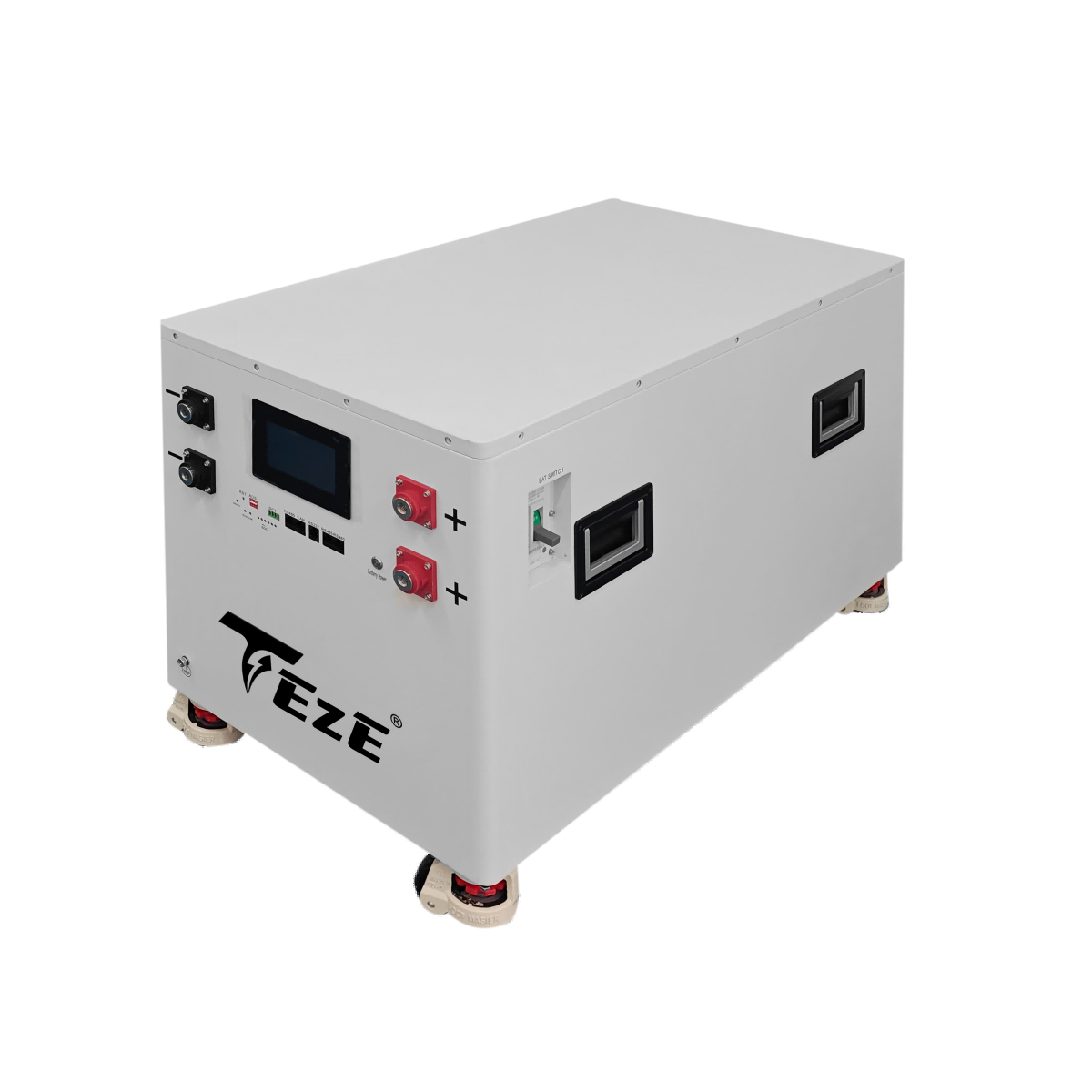
16S2P: 51.2V 628Ah ≈ 32.15kWh
This guide explains the EVE 314Ah cell specifications, energy calculations, 48V and 51.2V configurations, DIY battery design, BMS selection, cell balancing, compression, authenticity checks and the difference between buying individual cells and a complete DIY battery kit.
What Is the EVE 314Ah LiFePO4 Battery Cell?
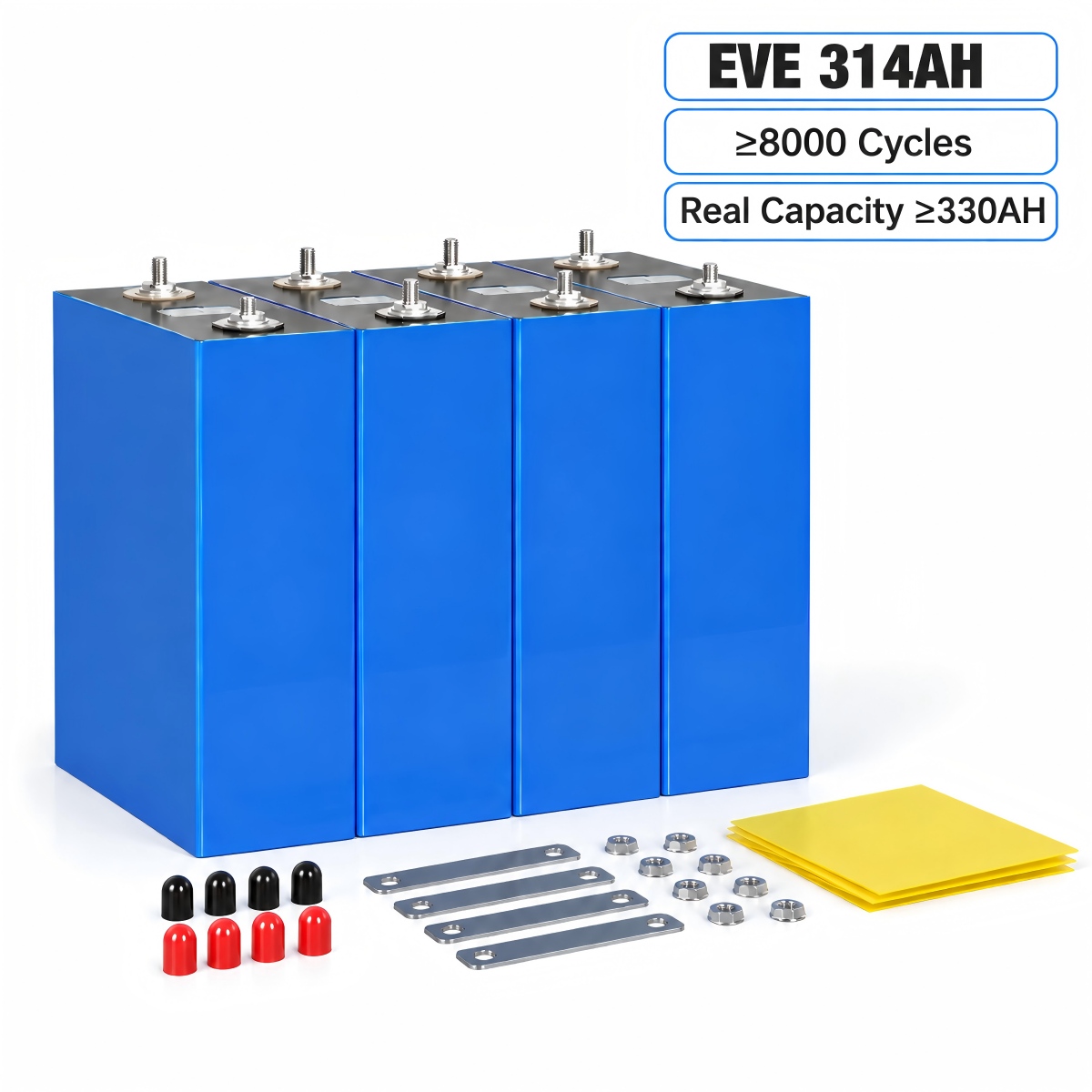
The EVE 314Ah is a large-format prismatic lithium iron phosphate (LiFePO4/LFP) cell designed for high-capacity energy storage applications.
The cell is commonly associated with the EVE MB31 model and is widely used in DIY battery projects because a relatively small number of large-format cells can create a substantial battery pack.
The basic electrical characteristics are:
-
Chemistry: LiFePO4 / LFP
-
Nominal voltage: 3.2V
-
Nominal capacity: 314Ah
-
Nominal energy: approximately 1,004.8Wh per cell
-
Cell format: Prismatic
The nominal energy can be calculated as:
3.2V × 314Ah = 1,004.8Wh
That means one EVE 314Ah cell provides approximately 1.0kWh of nominal energy.
When multiple cells are connected in series, the voltage increases. When battery strings are connected in parallel, the capacity and total energy increase.
EVE 314Ah MB31 Technical Specifications
Before choosing a battery cell, it is important to understand the specifications that actually affect your battery design.
| Specification | EVE 314Ah LiFePO4 Cell |
|---|---|
| Cell Chemistry | LiFePO4 / LFP |
| Nominal Voltage | 3.2V |
| Nominal Capacity | 314Ah |
| Nominal Energy | 1,004.8Wh |
| Cell Type | Prismatic |
| Typical 15S Configuration | 48V nominal |
| Typical 16S Configuration | 51.2V nominal |
| 16S1P Energy | 16.08kWh |
| 16S2P Energy | 32.15kWh |
The exact dimensions, resistance, weight, terminal design and operating limits should always be checked against the documentation supplied with the specific cells you purchase.
For DIY battery builders, specifications such as capacity, internal resistance, physical dimensions and terminal design are especially important because they affect cell matching, enclosure compatibility, wiring and battery performance.
Why 314Ah Capacity Matters
A higher-capacity cell means fewer individual cells are required to reach a given battery capacity.
For example, a 16S1P battery using 314Ah cells requires only 16 cells to reach approximately 16.08kWh of nominal energy.
A 16S2P configuration requires 32 cells and provides approximately 32.15kWh.
This makes large-format 314Ah cells particularly attractive for large DIY battery projects where reducing the number of individual cells can simplify the overall mechanical design.
How Much Energy Does One EVE 314Ah Cell Store?
The calculation is straightforward:
3.2V × 314Ah = 1,004.8Wh
So:
1 EVE 314Ah cell ≈ 1.00kWh nominal energy
This makes it easy to estimate the energy of a battery pack.
| Number of Cells | Configuration | Nominal Energy |
|---|---|---|
| 4 | 4S1P | ≈4.02kWh |
| 8 | 8S1P | ≈8.04kWh |
| 15 | 15S1P | ≈15.07kWh |
| 16 | 16S1P | ≈16.08kWh |
| 32 | 16S2P | ≈32.15kWh |
| 48 | 16S3P | ≈48.23kWh |
These are nominal energy calculations. Actual usable energy will depend on the battery's operating voltage limits, depth of discharge, temperature, BMS settings, inverter efficiency and other system factors.
How Many EVE 314Ah Cells Do You Need?
The number of cells depends on the voltage and capacity you want to build.
4S1P — 12.8V 314Ah
Four cells connected in series:
4 × 3.2V = 12.8V
Capacity remains:
314Ah
Nominal energy:
12.8V × 314Ah ≈ 4.02kWh
This configuration can be used for suitable 12V-class applications such as RV, camper, marine and smaller off-grid systems.
8S1P — 25.6V 314Ah
Eight cells connected in series:
8 × 3.2V = 25.6V
Nominal energy:
25.6V × 314Ah ≈ 8.04kWh
A 25.6V system can be useful for applications where a 24V-class battery system is required.
15S1P — 48V 314Ah
Fifteen cells connected in series:
15 × 3.2V = 48V nominal
Nominal energy:
48V × 314Ah ≈ 15.07kWh
A 15S configuration may be relevant when the battery and inverter are designed around a 48V nominal system.
Always check the inverter's actual battery voltage range before selecting the series configuration.
16S1P — 51.2V 314Ah
Sixteen cells connected in series:
16 × 3.2V = 51.2V nominal
Nominal energy:
51.2V × 314Ah ≈ 16.08kWh
This is one of the most common configurations for large residential LiFePO4 energy storage systems.
IMAGE 2 — 314Ah Battery Configuration
Create a simple graphic showing:
4S → 12.8V → 4.02kWh
8S → 25.6V → 8.04kWh
15S → 48V → 15.07kWh
16S → 51.2V → 16.08kWh
This image is worth making specifically for this article because it targets several long-tail searches at once.
48V vs 51.2V EVE 314Ah Battery
The terms "48V battery" and "51.2V battery" are often used to describe LiFePO4 systems in this voltage class, but the cell configuration is different.
48V Nominal — 15S
15 LiFePO4 cells:
15 × 3.2V = 48V
With 314Ah cells:
48V × 314Ah ≈ 15.07kWh
51.2V Nominal — 16S
16 LiFePO4 cells:
16 × 3.2V = 51.2V
With 314Ah cells:
51.2V × 314Ah ≈ 16.08kWh
The correct configuration depends on the battery system and inverter requirements.
If you already own an inverter, always check its specified battery voltage range before deciding between 15S and 16S.
INTERNAL LINK
Link:
“48V LiFePO4 battery systems” → your 48V/51.2V collection
“51.2V LiFePO4 batteries” → your 51.2V/48V collection
What Does 16S2P Mean?
If 16 cells in series provide a 51.2V 314Ah battery, adding a second identical string in parallel creates a 16S2P battery.
16S1P
-
16 cells
-
51.2V nominal
-
314Ah
-
≈16.08kWh
16S2P
-
32 cells
-
51.2V nominal
-
628Ah
-
≈32.15kWh
The voltage stays approximately the same, while the capacity doubles.
16S3P
-
48 cells
-
51.2V nominal
-
942Ah
-
≈48.23kWh
Parallel configurations require appropriate consideration of BMS design, current sharing, cables, busbars, fusing and battery protection.
EVE 314Ah vs 280Ah vs 304Ah vs 340Ah vs 345Ah
The EVE 314Ah cell is not the only large-format LiFePO4 cell available for DIY energy storage.
At 3.2V nominal voltage:
| Cell Capacity | Nominal Energy per Cell | 16S Nominal Energy |
|---|---|---|
| 280Ah | 896Wh | 14.34kWh |
| 304Ah | 972.8Wh | 15.56kWh |
| 314Ah | 1,004.8Wh | 16.08kWh |
| 340Ah | 1,088Wh | 17.41kWh |
| 345Ah | 1,104Wh | 17.66kWh |
A higher Ah rating does not automatically mean a cell is the right choice for every project.
Before choosing between 280Ah, 304Ah, 314Ah, 340Ah or 345Ah cells, compare:
-
Cell dimensions
-
Nominal capacity
-
Price per kWh
-
Internal resistance
-
Cell availability
-
BMS compatibility
-
Battery enclosure compatibility
-
Test documentation
-
Cell consistency
INTERNAL LINK
Link:
“314Ah LiFePO4 cells” → EVE 314Ah product
“other LiFePO4 battery cells” → 3.2V LiFePO4 cell collection
How to Build a DIY Battery with EVE 314Ah Cells
Building a battery from large-format LiFePO4 cells requires more than simply connecting the cells together.
A typical DIY battery may include:
-
EVE 314Ah LiFePO4 cells
-
BMS
-
Battery enclosure
-
Busbars
-
Main cables
-
Circuit breaker or disconnect
-
Fuse or other protection
-
Temperature sensors
-
Insulation materials
-
Mechanical support
-
Compression structure
-
Monitoring or communication equipment
The exact configuration depends on the battery voltage, inverter and intended application.
Step 1: Choose the Battery Configuration
First decide whether your project requires:
-
12.8V
-
25.6V
-
48V
-
51.2V
-
16S2P
-
Another configuration
Do this before selecting the BMS.
Step 2: Check the Cells
Before assembly, inspect every cell for:
-
Physical damage
-
Dents
-
Swelling
-
Corrosion
-
Damaged terminals
-
Abnormal voltage
If capacity or internal-resistance test data is available, review the data before assembly.
Step 3: Match the Cells
Cells used in the same battery should be appropriately matched.
Important parameters include:
-
Voltage
-
Capacity
-
Internal resistance
The closer the cells are in electrical characteristics, the easier it is to manage the battery as a complete pack.
Step 4: Select a Suitable BMS
The BMS must match:
-
LiFePO4 chemistry
-
Number of cells in series
-
Maximum expected current
-
Temperature protection requirements
-
Communication requirements
-
Balancing requirements
For example, a 16S battery requires a BMS designed for a 16S LiFePO4 configuration.
Step 5: Assemble the Battery
The cells should be positioned securely inside the battery case.
Pay attention to:
-
Cell orientation
-
Electrical insulation
-
Terminal clearance
-
Busbar installation
-
BMS wiring
-
Temperature sensor placement
-
Mechanical support
Step 6: Test the Battery
Before connecting the battery to an inverter or high-power load, verify:
-
Overall battery voltage
-
Individual cell voltages
-
BMS readings
-
Temperature readings
-
Polarity
-
Protection functions
-
Communication
Always follow the cell, BMS and enclosure manufacturer's instructions.
EVE 314Ah DIY Battery Case: When You Don't Want to Build the Enclosure Yourself
Building the battery enclosure from scratch can take significant time.
A dedicated DIY battery case can simplify the mechanical side of the project while allowing you to use your own LiFePO4 cells.
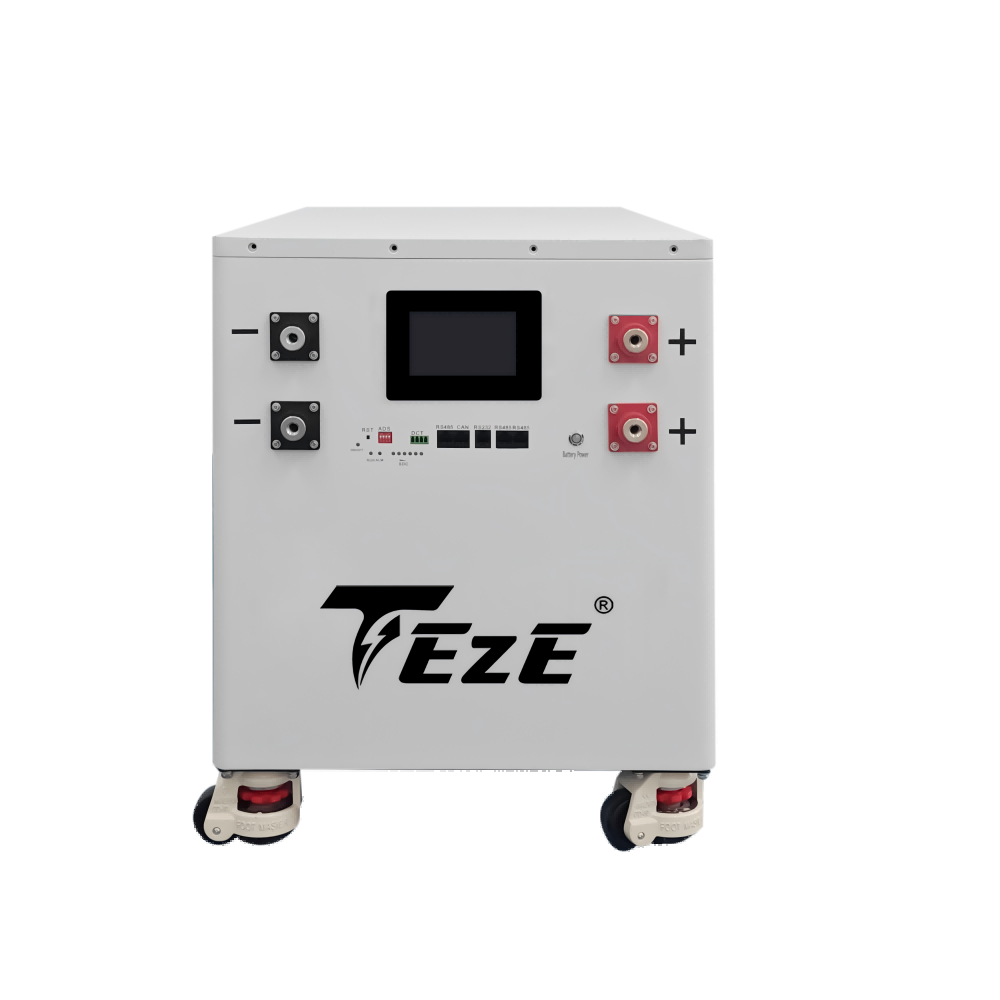
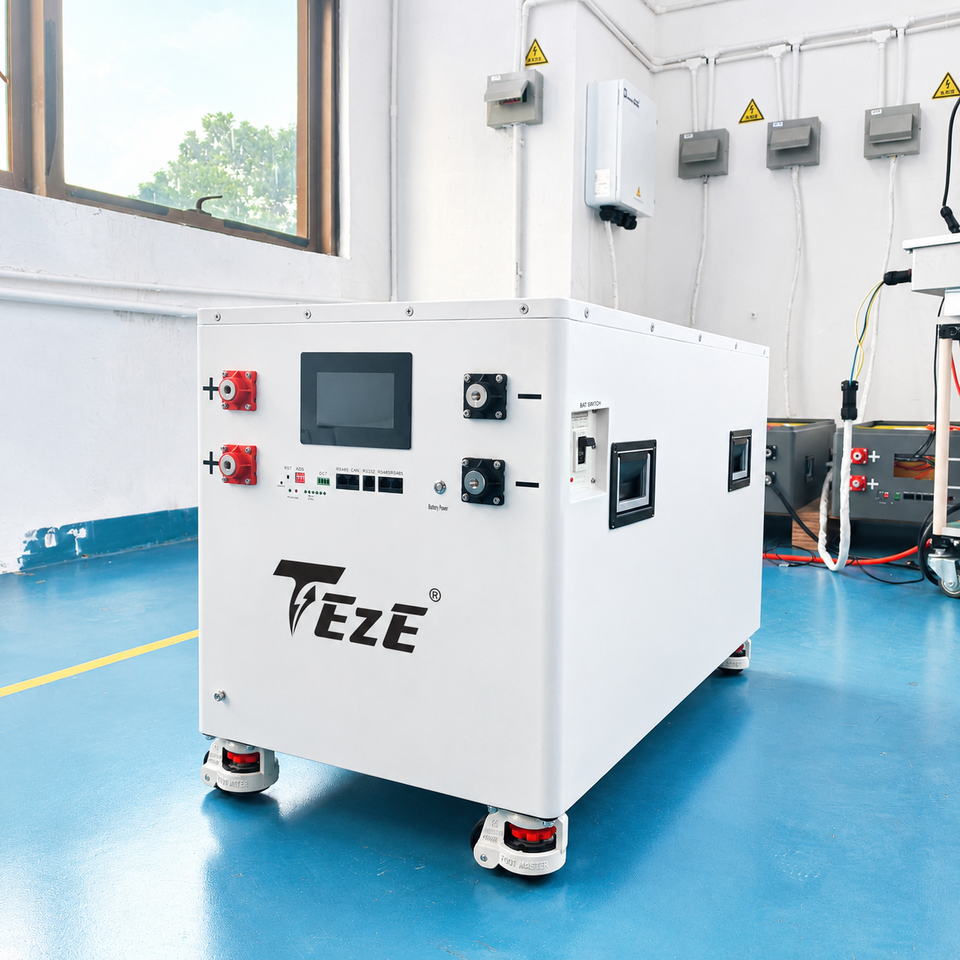
For example, TezePower's upgraded vertical DIY case is designed for large-format cells including 280Ah, 300Ah, 304Ah and 314Ah models. The kit includes a built-in JK 16S 200A BMS with Bluetooth, a 250A DC breaker, display and 2A active balancing, together with the required case and assembly components.
IMAGE 3 — TezePower 314Ah DIY Case
Show the actual DIY case and, if available, a photo showing the EVE 314Ah cells installed inside it.
INTERNAL LINK
“EVE 314Ah DIY battery case”
→ Link directly to your Vertical DIY Case product.
This is a very important commercial link because a visitor reading about 314Ah cells may not want to design a battery case from scratch.
EVE 314Ah Cells vs DIY Battery Kit
Which option should you choose?
Option 1: EVE 314Ah Cells Only
Suitable for experienced DIY builders who already have:
-
Battery enclosure
-
BMS
-
Busbars
-
Protection equipment
-
Mechanical support
Best for: experienced DIY builders.
INTERNAL LINK
“EVE 314Ah cells” → EVE 314Ah product page.
Option 2: DIY Battery Case
A case kit can provide the mechanical structure and BMS-related components while allowing the builder to assemble the battery using compatible cells.
Best for: users who want to build their own battery without fabricating the enclosure from scratch.
INTERNAL LINK
“314Ah DIY battery case” → TezePower DIY Case.
Option 3: DIY Case + EVE 314Ah Cells
This is a more complete DIY solution.
For example, a 16S configuration can use:
16 × EVE 314Ah cells
to create a nominal:
51.2V 314Ah / approximately 16.08kWh battery
This approach allows the builder to retain control over the cell selection while reducing the mechanical work required.
Option 4: Complete Energy Storage System
If you don't want to assemble the battery yourself, a complete energy storage system may be more convenient.
TezePower also offers 48V/51.2V energy storage products, including systems in the approximately 15–16kWh class.
INTERNAL LINK
“16kWh LiFePO4 energy storage system” → your 16kWh ESS product.
What BMS Do You Need for EVE 314Ah Cells?
Choosing the BMS based only on the cell capacity is not enough.
For example, a 314Ah battery does not automatically require a 314A BMS.
The BMS current rating should be selected according to the expected battery current and system design.
Consider:
1. Series Count
15S battery → compatible 15S BMS
16S battery → compatible 16S BMS
2. Battery Current
Consider the maximum expected inverter and load current.
3. Temperature Monitoring
Temperature monitoring can provide important protection against inappropriate charging or discharging conditions.
4. Balancing
The BMS may use passive or active balancing.
5. Communication
For energy storage applications, CAN or RS485 communication may be required depending on the inverter.
Bluetooth monitoring can also be useful for DIY battery builders who want to monitor cell voltage, temperature, current and other parameters.
Do EVE 314Ah Cells Need Balancing?
Yes.
Cell balancing is an important part of a multi-cell battery.
Even cells from the same production batch are not perfectly identical. Small differences in voltage and capacity can become more noticeable as the battery approaches its upper or lower operating limits.
A properly designed battery should therefore consider:
-
Cell matching
-
Initial balancing
-
BMS balancing
-
Cell voltage monitoring
Active balancing transfers energy between cells, while passive balancing dissipates excess energy.
The appropriate method depends on the BMS and battery design.
Do EVE 314Ah Cells Need Compression?
Large-format prismatic cells require appropriate mechanical support.
The cells can experience dimensional changes during charging and discharging, so the battery enclosure should be designed according to the cell manufacturer's recommendations.
A suitable battery case can provide:
-
Cell positioning
-
Mechanical support
-
Insulation
-
Terminal protection
-
BMS mounting
-
Protection component mounting
Do not assume that simply applying more pressure is better. Compression should be designed for the specific cell and enclosure.
IMAGE 4 — Cell Compression
Show:
EVE 314Ah cells → compression structure → completed battery case
This is another good place to demonstrate your DIY Case rather than using a generic internet image.
How to Check Genuine EVE 314Ah Cells
Buying the correct cells is just as important as designing the battery correctly.
When purchasing EVE 314Ah cells, check:
Original QR Code
Look for the manufacturer's identification and QR information where applicable.
Physical Condition
Inspect:
-
Cell casing
-
Terminals
-
Insulation
-
Dents
-
Corrosion
-
Swelling
Capacity Test
If a test report is provided, check:
-
Tested capacity
-
Test current
-
Voltage range
-
Temperature
-
Test equipment
A capacity number without test conditions is difficult to compare.
Internal Resistance
Internal resistance can help evaluate cell consistency, but measurements should be compared using the same testing method.
Cell Matching
For a multi-cell battery, consistent cells are important.
IMAGE 5 — QR Code / Cell Label
Use a close-up photo of your actual EVE 314Ah cell showing the QR code and markings.
INTERNAL LINK
Link:
“EVE 314Ah MB31 LiFePO4 cells with original QR code” → your product page.
Your current product page specifically presents the EVE MB31 314Ah cells with QR-code information and offers different quantities, including 4, 8, 16, 24 and 32 cells.
EVE 314Ah Battery Applications
The large capacity and flexible configuration of 314Ah cells make them suitable for a wide range of battery projects.
1. Home Energy Storage
A 16S1P configuration provides approximately:
51.2V 314Ah / 16.08kWh
This can be integrated with a compatible home energy storage system and inverter.
INTERNAL LINK
“51.2V 314Ah / 16kWh energy storage system” → your 16kWh product.
2. DIY 48V Solar Battery
A 15S configuration provides:
48V 314Ah / approximately 15.07kWh
This can be considered for suitable solar and off-grid battery systems.
INTERNAL LINK
“48V DIY battery kit” → your 48V DIY Kit collection.
3. RV and Camper Batteries
Smaller configurations such as 4S and 8S can provide:
12.8V 314Ah
or
25.6V 314Ah
depending on the system.
The final configuration should always match the vehicle's electrical system.
4. Off-Grid Energy Storage
Large-format 314Ah cells can be used to create high-capacity off-grid battery banks.
A 15S or 16S battery can provide approximately 15–16kWh of nominal energy, while parallel configurations can increase the total capacity.
5. Large Residential Battery Systems
For larger systems, multiple battery strings or a 16S2P configuration can provide approximately:
51.2V 628Ah / 32.15kWh
INTERNAL LINK
“32kWh LiFePO4 energy storage system” → your 32kWh ESS.
How Much Does an EVE 314Ah DIY Battery Cost?
The total cost of a DIY battery is more than the price of the cells.
Consider:
- Cells
- BMS
- Battery case
- Busbars
- Breaker / fuse
- Cables
- Insulation
- Other accessories
Shipping, taxes, cell configuration and BMS specifications can also affect the total cost.
For this reason, comparing total system cost per kWh is usually more useful than comparing only the price of individual cells.
When comparing suppliers, also consider:
-
Cell authenticity
-
Cell condition
-
Test documentation
-
Warranty
-
Shipping method
-
Local/EU stock availability
-
Included accessories
EVE 314Ah Cells or a Complete Battery?
There is no single solution for every buyer.
Choose individual EVE 314Ah cells if:
-
You have DIY battery experience
-
You already have an enclosure
-
You want to choose your own BMS
-
You want maximum customization
Choose a DIY Case if:
-
You already have compatible cells
-
You want to reduce mechanical fabrication
-
You want an integrated battery enclosure and BMS solution
Choose a DIY kit with cells if:
-
You want to assemble the battery yourself
-
You want the main components supplied together
-
You want a simpler DIY project
Choose a complete ESS if:
-
You don't want to assemble the battery
-
You want a more integrated system
-
You prefer a ready-to-install energy storage solution
EVE 314Ah Battery Configuration Guide
For quick reference:
| Battery Configuration | Cells Required | Voltage | Capacity | Nominal Energy |
|---|---|---|---|---|
| 4S1P | 4 | 12.8V | 314Ah | 4.02kWh |
| 8S1P | 8 | 25.6V | 314Ah | 8.04kWh |
| 15S1P | 15 | 48V | 314Ah | 15.07kWh |
| 16S1P | 16 | 51.2V | 314Ah | 16.08kWh |
| 16S2P | 32 | 51.2V | 628Ah | 32.15kWh |
| 16S3P | 48 | 51.2V | 942Ah | 48.23kWh |
This table is useful for anyone searching for:
-
EVE 314Ah 12V battery
-
EVE 314Ah 24V battery
-
EVE 314Ah 48V battery
-
EVE 314Ah 51.2V battery
-
15S 314Ah battery
-
16S 314Ah battery
-
32kWh 314Ah battery
EVE 314Ah Battery Buying Checklist
Before placing an order, check the following.
Cell
-
LiFePO4 chemistry
-
314Ah nominal capacity
-
Correct dimensions
-
Suitable terminals
-
Original identification/QR information
-
Physical condition
Electrical
-
Cell voltage
-
Capacity information
-
Internal resistance
-
Cell consistency
-
Test conditions
BMS
-
Correct series count
-
Suitable current rating
-
Temperature monitoring
-
Balancing
-
Communication requirements
Battery Case
-
Compatible cell dimensions
-
Mechanical support
-
Insulation
-
Terminal clearance
-
BMS compatibility
Inverter
-
Battery voltage range
-
Charging voltage
-
Maximum battery current
-
Communication requirements
A reliable battery is designed as a complete system. Choosing a good cell is important, but the BMS, enclosure, protection components, wiring and inverter must also be compatible.
Frequently Asked Questions
What is an EVE 314Ah battery cell?
The EVE 314Ah is a large-format prismatic LiFePO4 cell with a nominal capacity of 314Ah and nominal voltage of 3.2V.
How much energy does one EVE 314Ah cell store?
Approximately:
3.2V × 314Ah = 1,004.8Wh
or about 1.00kWh nominal energy.
How many EVE 314Ah cells do I need for 48V?
A common nominal 48V LiFePO4 configuration uses 15 cells in series.
15 × 3.2V = 48V.
The resulting nominal energy is approximately 15.07kWh.
How many EVE 314Ah cells do I need for 51.2V?
A 51.2V nominal LiFePO4 configuration uses 16 cells in series.
16 × 3.2V = 51.2V.
The resulting nominal energy is approximately 16.08kWh.
How many EVE 314Ah cells do I need for 32kWh?
A 16S2P configuration uses 32 cells.
The nominal capacity is 628Ah:
51.2V × 628Ah ≈ 32.15kWh
Can EVE 314Ah cells be used for a DIY battery?
Yes. They can be used in different series and parallel configurations to build batteries for solar storage, RVs, backup power and off-grid applications.
What BMS do I need for EVE 314Ah cells?
The BMS must match the LiFePO4 chemistry and the number of cells connected in series. Its current rating should be selected according to the expected battery current.
Do EVE 314Ah cells need balancing?
A multi-cell battery should include an appropriate balancing strategy. The BMS may use passive or active balancing.
Do EVE 314Ah cells need compression?
Large-format prismatic cells require appropriate mechanical support. Follow the cell manufacturer's recommended mechanical design rather than applying arbitrary compression force.
Can I use EVE 314Ah cells with a DIY battery case?
Yes, provided the case is designed for the cell dimensions and configuration.
TezePower's vertical DIY case is designed to support compatible large-format cells including 314Ah models.
Is EVE 314Ah better than 280Ah?
A 314Ah cell provides more nominal energy per cell than a 280Ah cell, but the correct choice depends on the required capacity, physical dimensions, price, availability, BMS and battery enclosure.
Is 48V the same as 51.2V?
Not exactly.
For LiFePO4:
-
15S = 48V nominal
-
16S = 51.2V nominal
The correct configuration depends on the battery system and inverter.
Can 314Ah cells be connected in parallel?
Yes, parallel configurations can increase battery capacity. For example, 16S2P using 314Ah cells results in approximately 51.2V 628Ah.
The BMS and protection design must support the complete battery configuration.
Final Thoughts
The EVE 314Ah LiFePO4 battery cell is a flexible building block for DIY energy storage because a single cell provides approximately 1kWh of nominal energy and can be combined into many different battery configurations.
You can build:
12.8V 314Ah → approximately 4.02kWh
25.6V 314Ah → approximately 8.04kWh
48V 314Ah → approximately 15.07kWh
51.2V 314Ah → approximately 16.08kWh
or scale the system further with parallel configurations such as:
51.2V 628Ah → approximately 32.15kWh
For experienced DIY builders, individual EVE 314Ah cells provide flexibility and control over the final battery design.
For users who want to simplify the mechanical assembly, a compatible DIY battery case can provide the enclosure, BMS and other components needed for the project.
And for users who prefer not to build the battery themselves, a complete energy storage system can provide a more integrated solution.
Before purchasing, always consider the entire system — not only the cell capacity. Cell condition, matching, BMS, mechanical support, protection, inverter compatibility and the intended application all matter.
Ready to Build Your Battery?
Explore TezePower's:
Choose the configuration that matches your battery voltage, capacity and application.
Comment